
Email Security That Protects Your Business—Not Just Your Inbox
Email is the #1 attack vector for cybercriminals—and small to mid-sized businesses are the primary target.
Our email security platform is designed to stop threats before they reach your users, prevent domain impersonation, and ensure your communications are trusted and delivered.
The Reality: Email Attacks Are Getting Smarter
Today’s threats don’t look like obvious spam anymore. They are:
- Highly targeted and personalized
- Designed to bypass traditional filters
- Focused on tricking your staff, not your technology
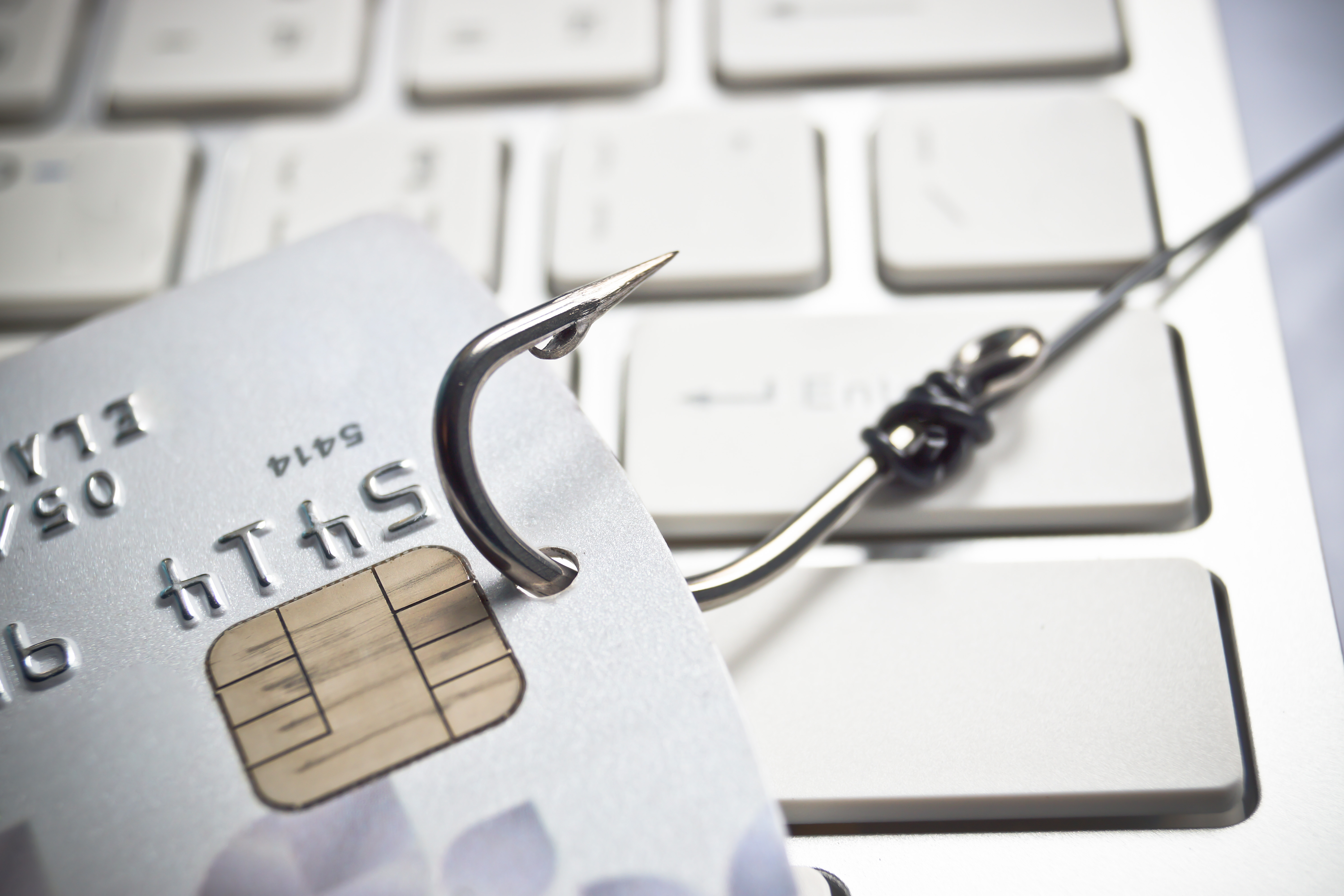
These include:
- Business Email Compromise (BEC)
- Invoice and payment fraud
- Credential harvesting attacks
- Vendor impersonation
It only takes one click to create a major financial or security incident.
What Our Email Security Platform Does
We take a layered, intelligent approach to protect your organization:
- Analyzes emails for malicious intent using advanced inspection beyond traditional signature-based filtering
- Identifies phishing, spoofing, and social engineering by evaluating message content and sender behavior
- Uses behavioral analysis to detect and stop zero-day threats before they spread
- Inspects links and attachments in real time to identify hidden or embedded threats
- Blocks or quarantines suspicious emails before users can open or interact with them
- Rewrites or disables unsafe links and attachments to prevent access to malicious content
- Continuously adapts to new and evolving attack patterns
- Automatically updates protection rules based on emerging threats and attack trends
- Detects compromised accounts sending malicious emails internally or externally
- Prevents attackers from impersonating users, executives, or trusted contacts
- Flags unusual email activity or sending behavior that may indicate a security issue
- Provides visibility into suspicious activity across your organization for faster response
Domain Protection: Stop Attackers from Impersonating Your Business
Your domain name is your digital identity—and without proper protection, anyone can attempt to send emails pretending to be you.
This is where email authentication and policy enforcement come in.
The Risk: Domain Spoofing and Email Fraud
How We Secure and Monitor Your Domain
Continuous Monitoring and Enforcement

Business Case for Email Security
Take The Next Step
Frequently Asked Questions (FAQs)
What is Business Email Compromise (BEC)?
Business Email Compromise (BEC) is a type of cyberattack where a threat actor impersonates a trusted person—such as a business owner, executive, employee, or vendor—to trick someone into sending money, sensitive data, or login credentials.
These attacks typically do not contain malware or obvious red flags. Instead, they rely on social engineering, using realistic emails, timing, and context to appear legitimate. Common examples include:
- Fake invoice or payment change requests
- Urgent wire transfer instructions from an “executive”
- Requests for payroll or sensitive employee information
Because these emails often look authentic and come from spoofed or compromised accounts, they can bypass traditional spam filters.
BEC is one of the leading causes of financial loss for businesses today, making strong email security and user awareness critical to preventing these attacks.
What should I do if I think I'm a victim of Business Email Compromise (BEC)?
Act quickly—time is critical to limiting financial loss and further damage:
- Immediately contact your bank or financial institution to attempt to stop or recall any fraudulent transactions
- Notify your IT provider or security team to begin an incident response and secure affected accounts
- Reset passwords for all impacted users and enforce multi-factor authentication if not already in place
- Review email accounts for unauthorized access, forwarding rules, or suspicious activity
- Inform affected employees, vendors, or clients so they can be alert for additional fraudulent communications
- Report the incident to the FBI’s Internet Crime Complaint Center (IC3) at ic3.gov
After the immediate response, it’s important to perform a full review of how the incident occurred and implement stronger controls to prevent it from happening again.
What should you do to protect your business from BEC?
Start by putting safeguards in place that reduce the risk of both human error and technical gaps:
- Verify all financial requests using a secondary method, such as a phone call to a known, trusted number
- Train staff to recognize suspicious or unusual email requests, especially those involving urgency or changes to payment details
- Implement multi-factor authentication on all email and critical business systems
- Ensure your domain is properly secured to prevent impersonation and spoofing
- Establish clear internal procedures for handling payments, vendor changes, and sensitive data requests
Most importantly, do not rely on users alone. A layered approach that combines user awareness, strong policies, and advanced email security controls is the most effective way to prevent these types of attacks.
What is Phishing?
Phishing is a type of cyberattack where an attacker sends a fraudulent email (or message) that appears to come from a trusted source—such as Microsoft, a bank, a vendor, or even someone within your organization—in an attempt to trick you into taking action.
This usually involves:
- Clicking a malicious link
- Entering login credentials on a fake website
- Downloading an infected attachment
The goal is to steal sensitive information, gain access to accounts, or install malware.
Modern phishing attacks are often highly convincing, using real logos, familiar language, and urgent requests—making them difficult to detect without proper security controls and user awareness.
What should I look for in a phishing defense solution?
A quality anti-phishing solution offers an array of benefits like:
- Clear, real-time threat data
- Fast, accurate alerts to IT admins
- A thorough message analysis
- Automated productivity tools that make management easy
- Tools to help users make better decisions
- Warnings at the top of messages to alert users of potential danger
- An easy way for users to report a phishing attempt or mark a message as safe
- A minimal false positive rate Constant accuracy improvement
What is anti-phishing protection?
Anti-phishing protection is the security measures that organizations take to prevent or mitigate a phishing attack. This can be provided by email security software that can do things like stop the delivery of email to an end user by placing malicious messages into quarantine.